Losses of Cultural and Educational Institutions
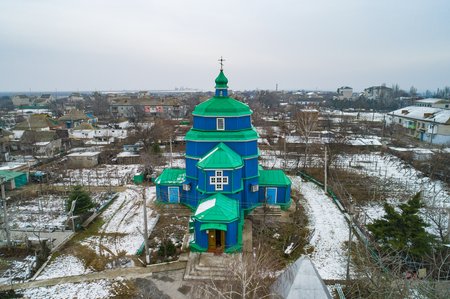
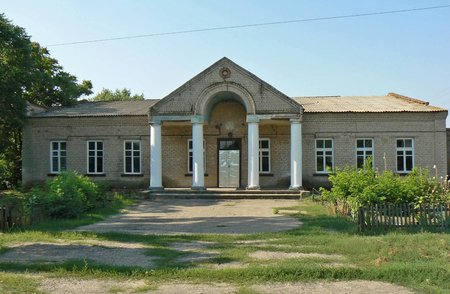
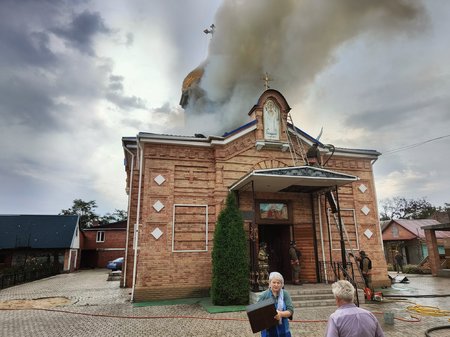
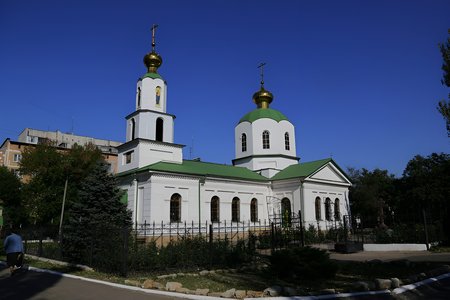
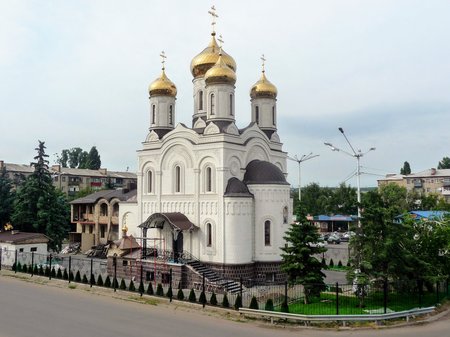
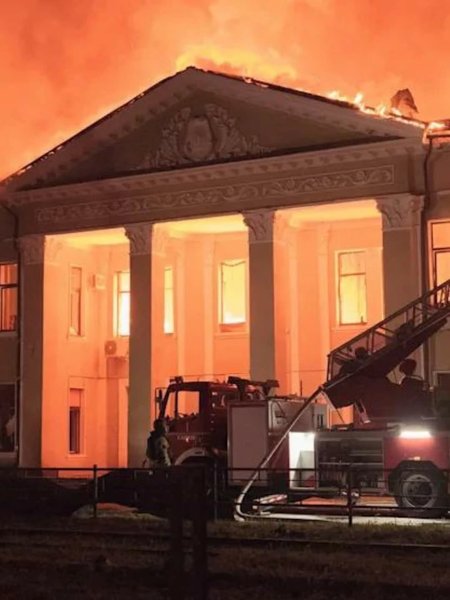
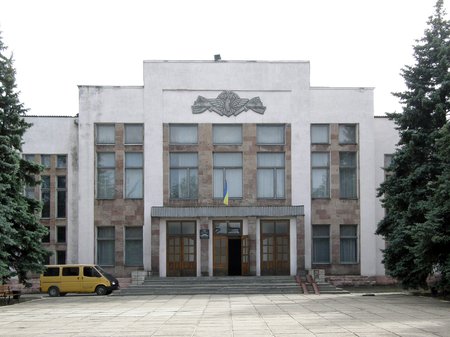
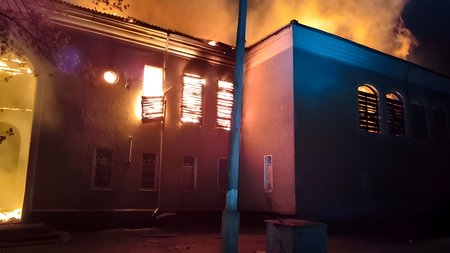
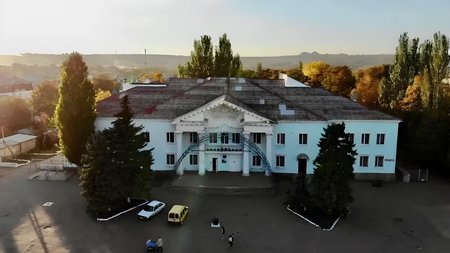
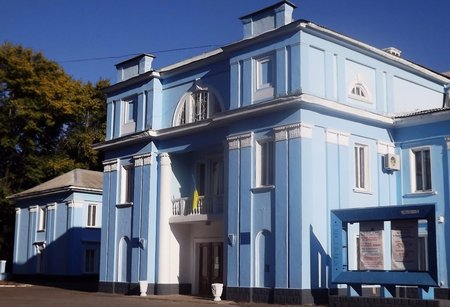
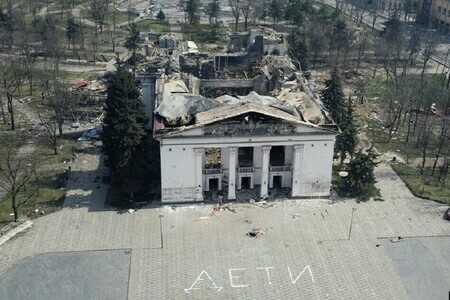
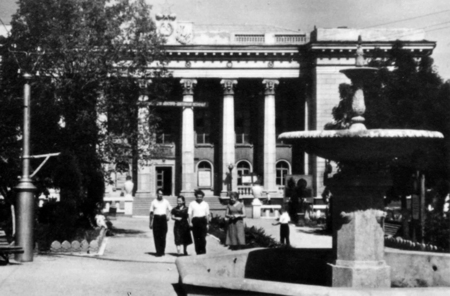
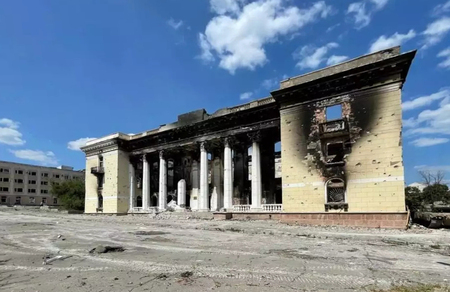
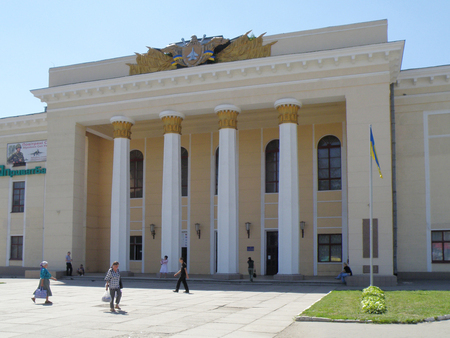
Cultural buildings in Ukraine formed a dense network of public infrastructure, which was particularly well developed during the Soviet period. In many towns and villages, a single institution – such as a house of culture, school, library, or church – served as the centre of community life. Their destruction therefore represents not only an architectural loss but also the fragmentation of local cultural systems.
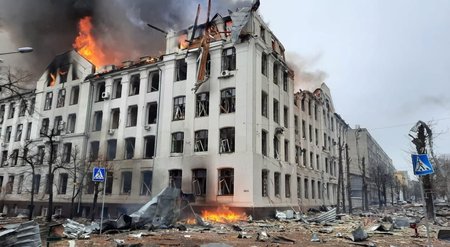
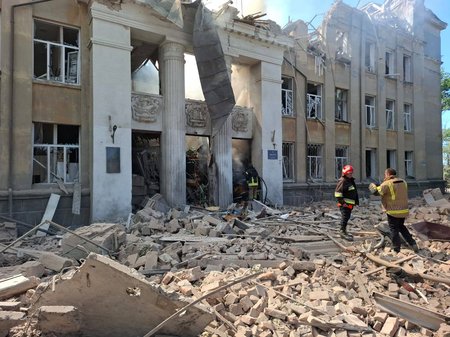
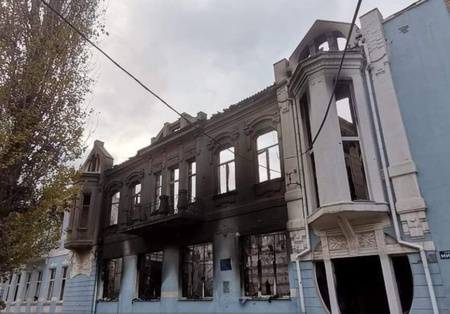
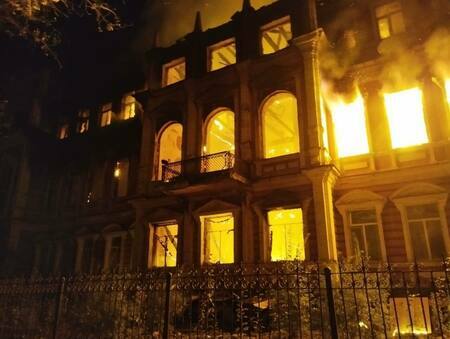
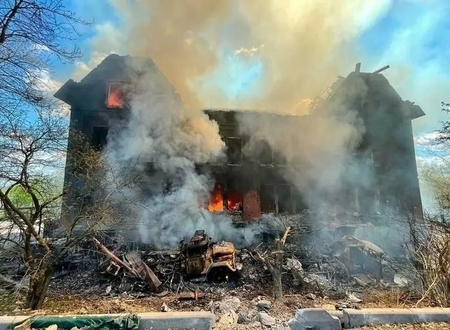
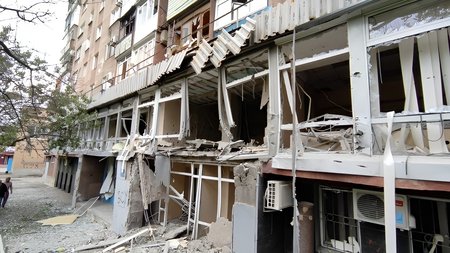
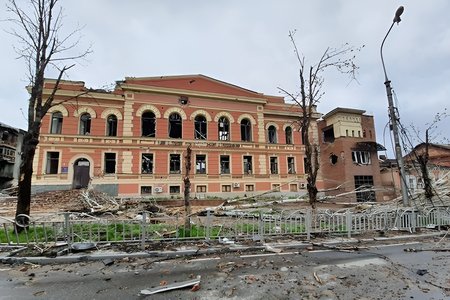
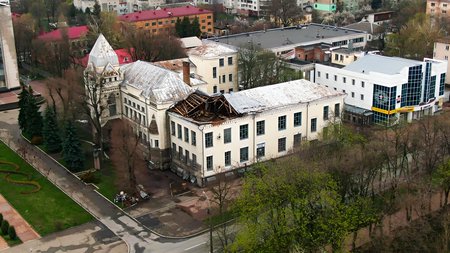
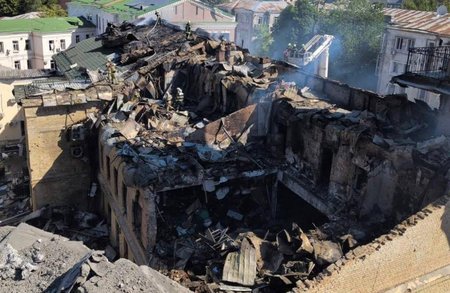
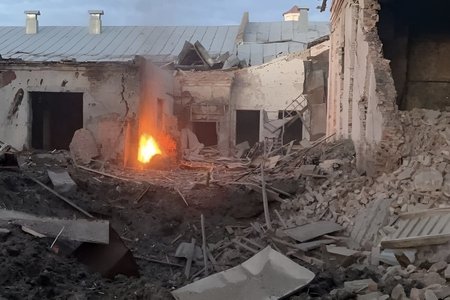
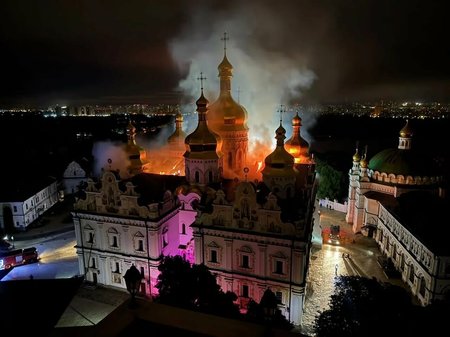
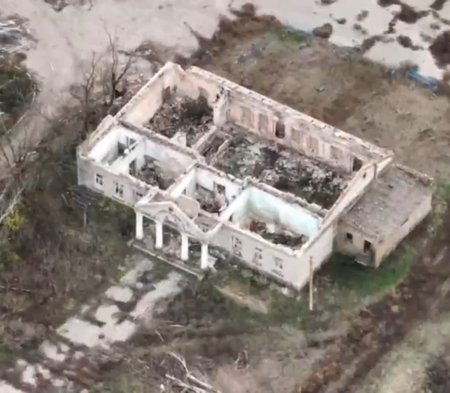
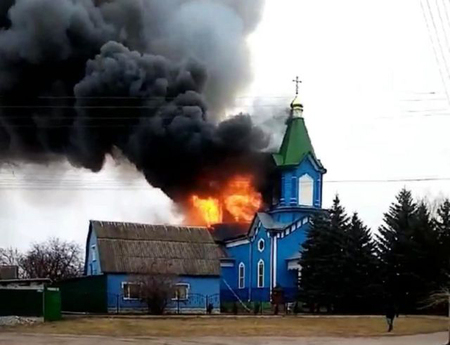
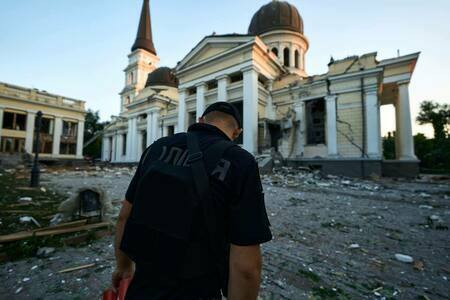
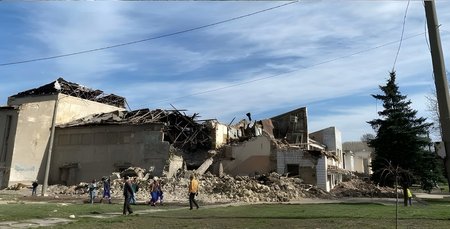
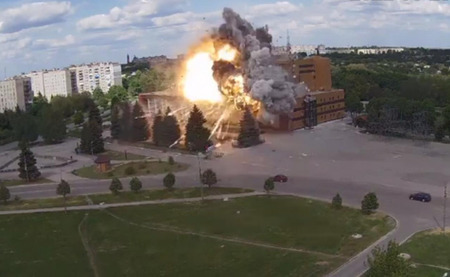
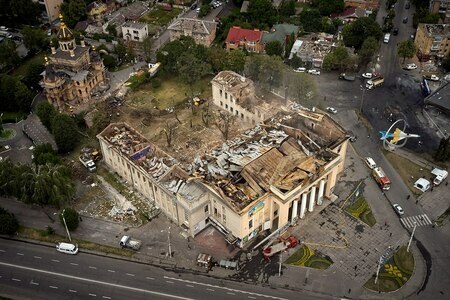
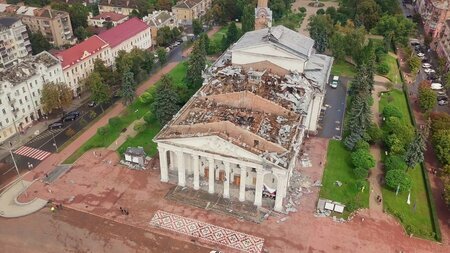
The geography of destruction extends across the entire territory of Ukraine, including major cities and small settlements. The most intensive damage has occurred in the eastern and southern regions, where prolonged fighting has led to the extensive loss of entire cultural districts. However, strikes have also affected more distant regions, demonstrating the nationwide vulnerability of cultural infrastructure.
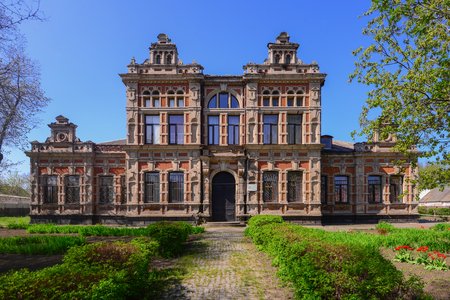
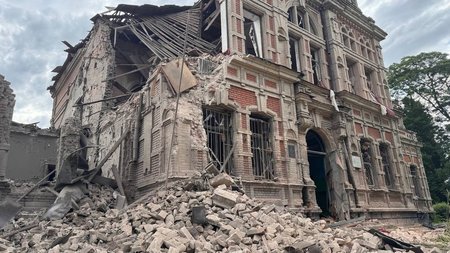
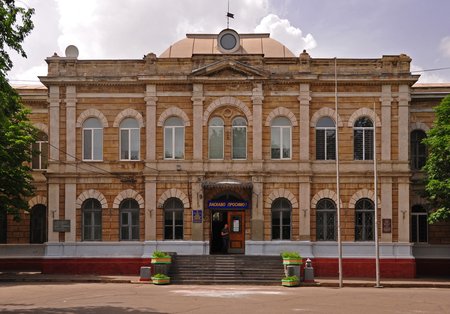
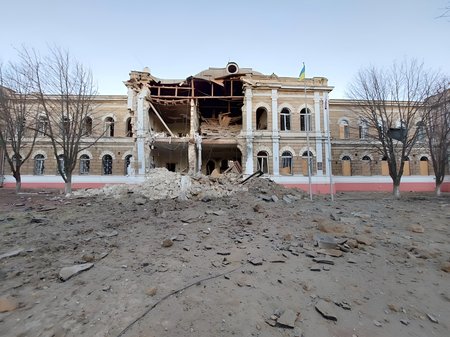
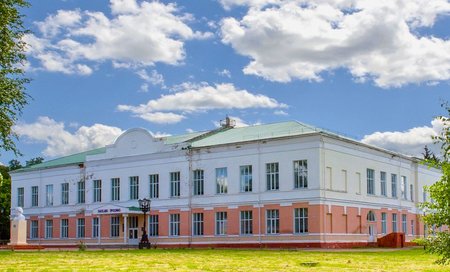
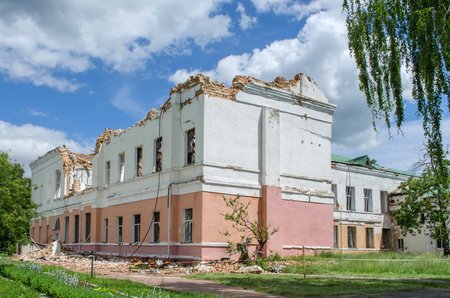
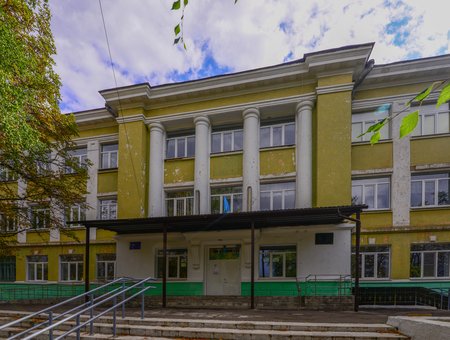
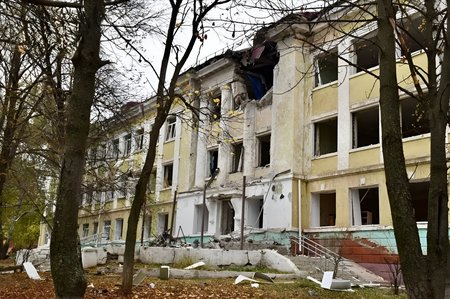
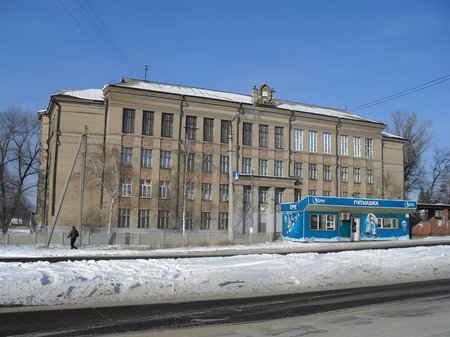
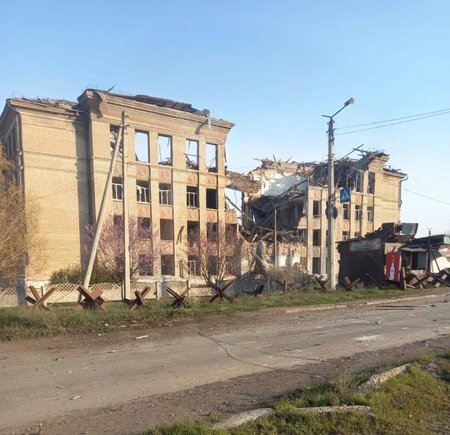
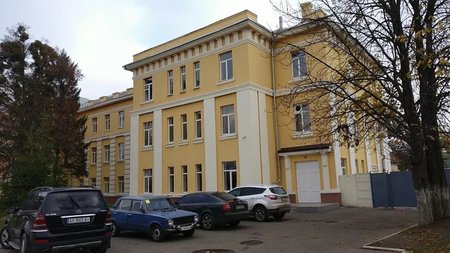
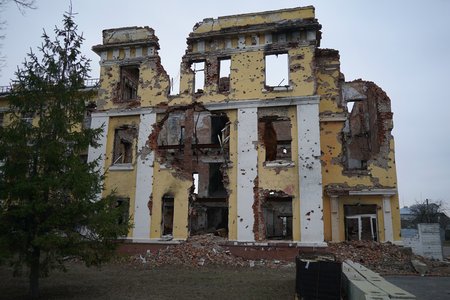
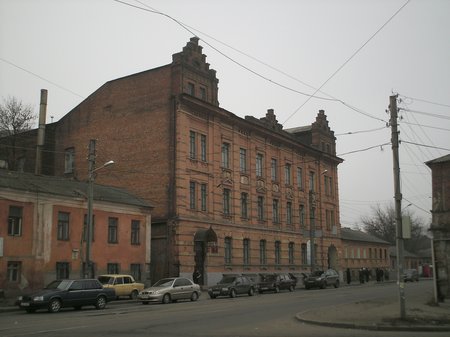
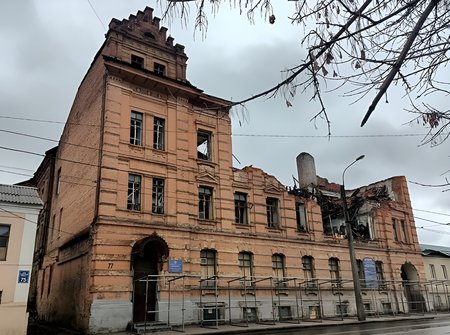
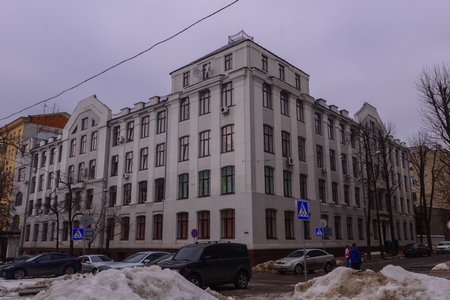
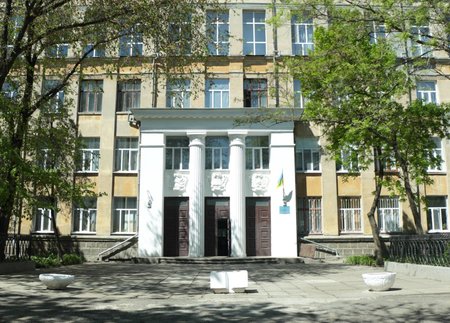
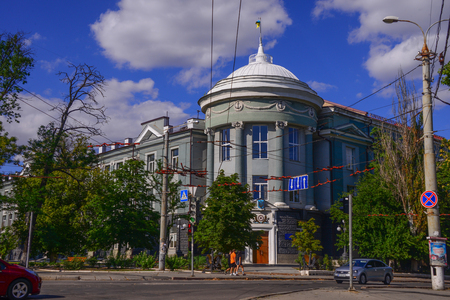
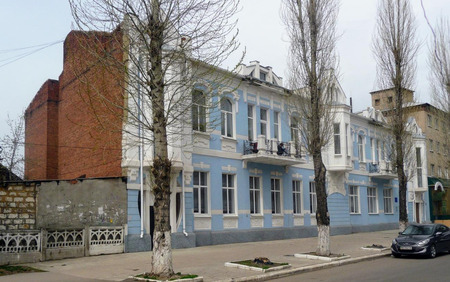
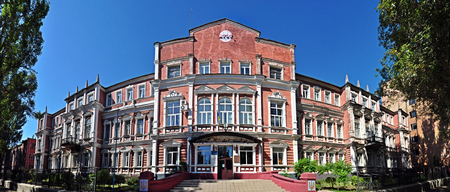
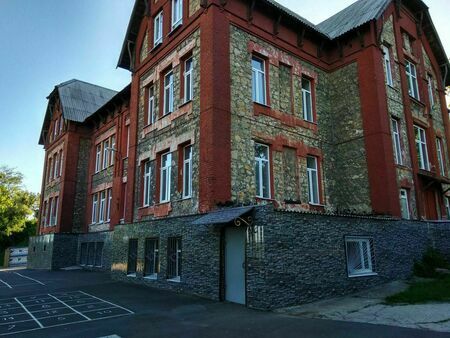
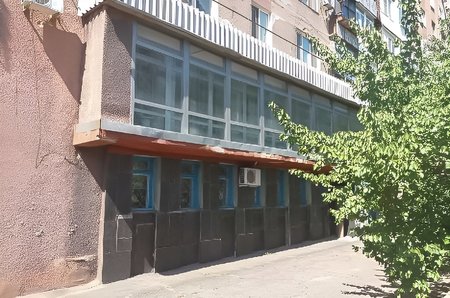
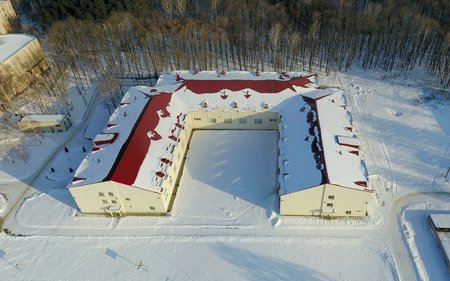
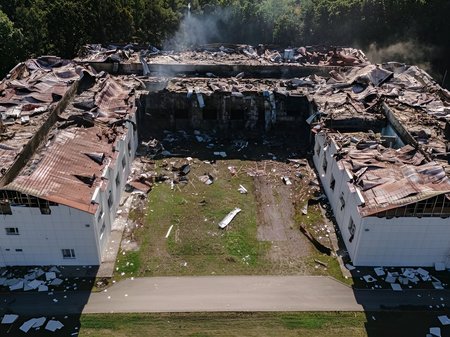
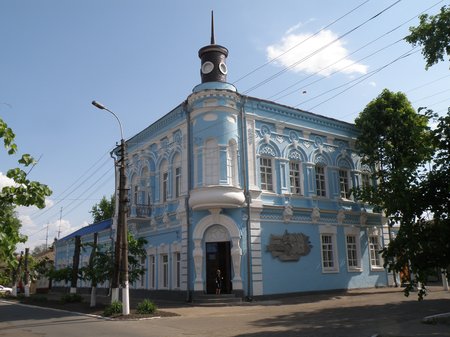
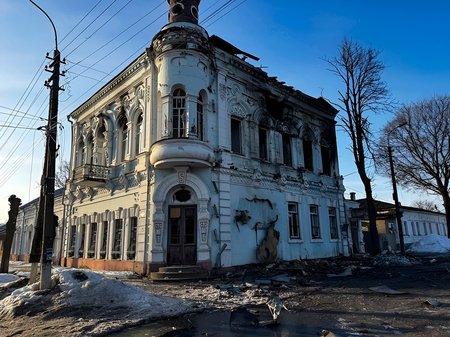
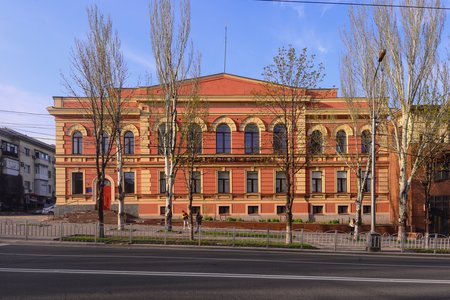
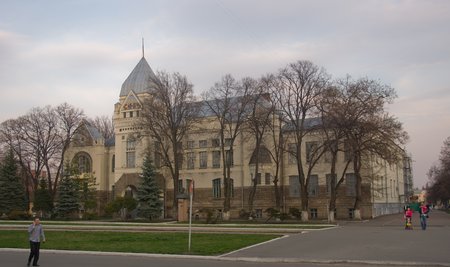
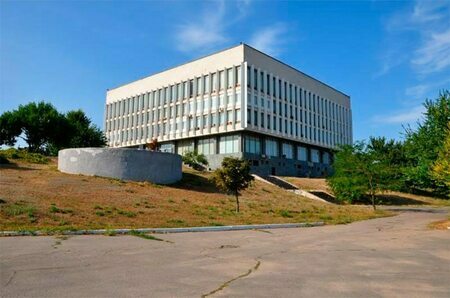
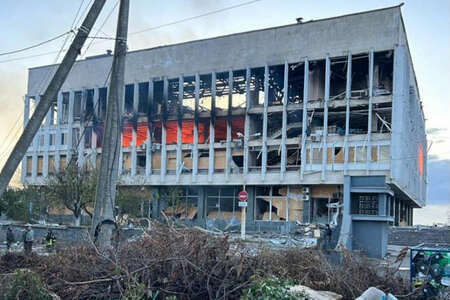
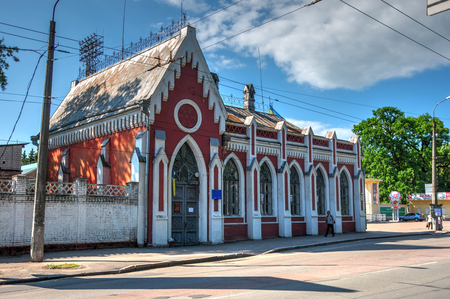
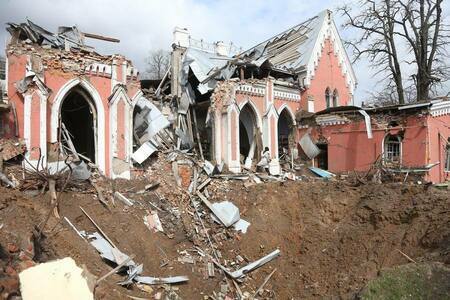
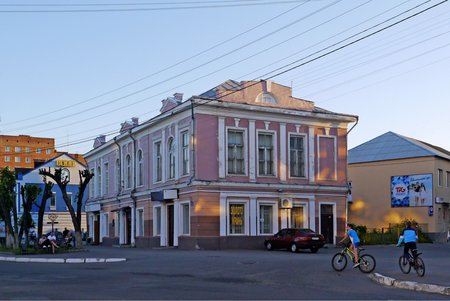
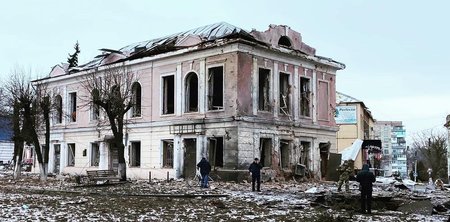
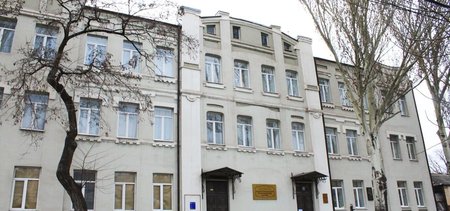
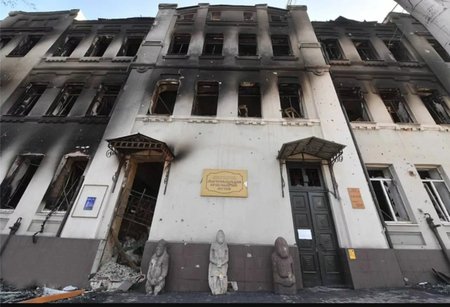
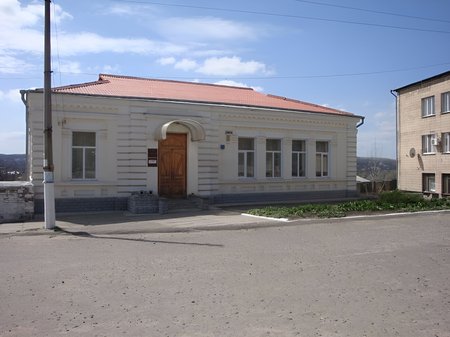
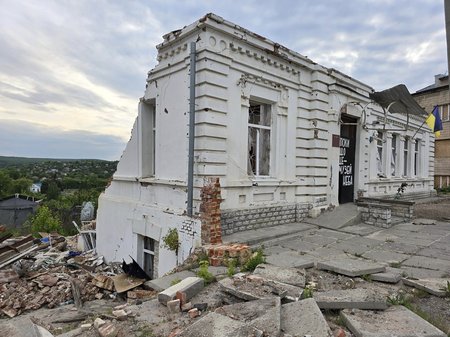
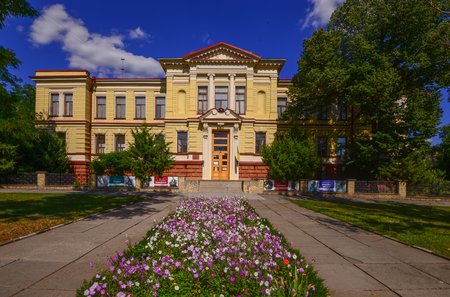
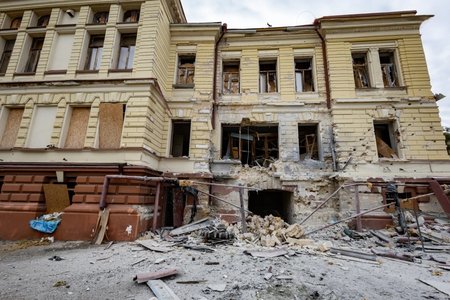
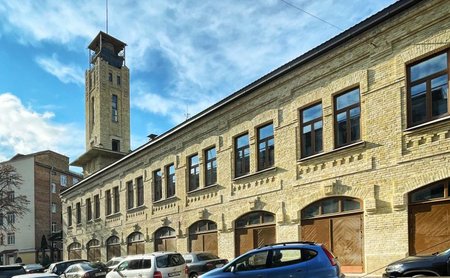
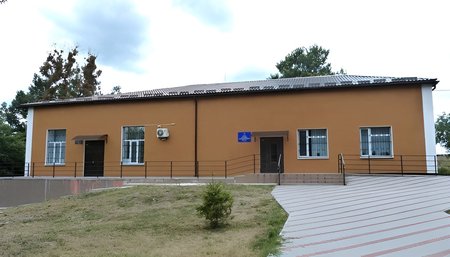
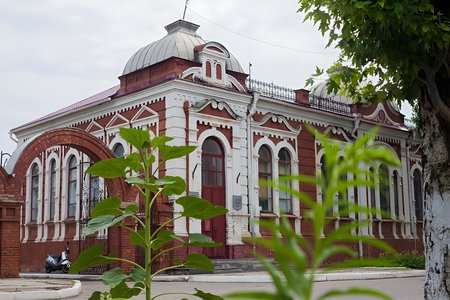
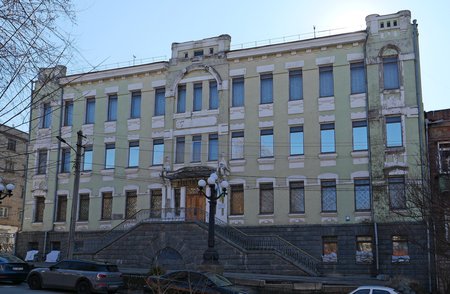
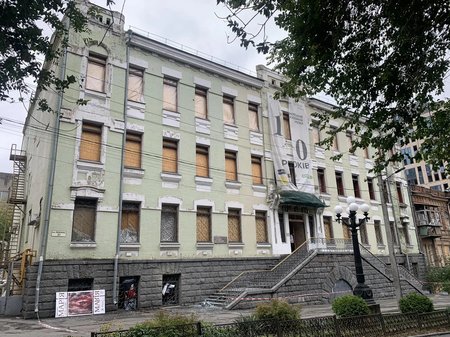
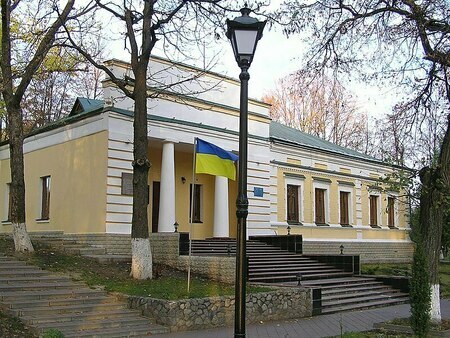
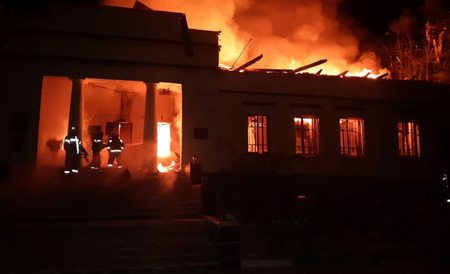
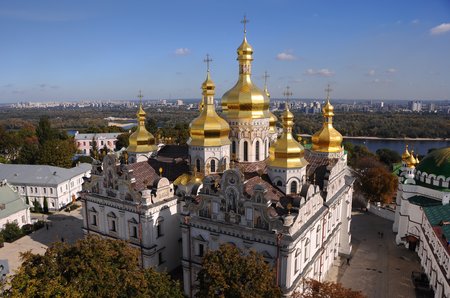
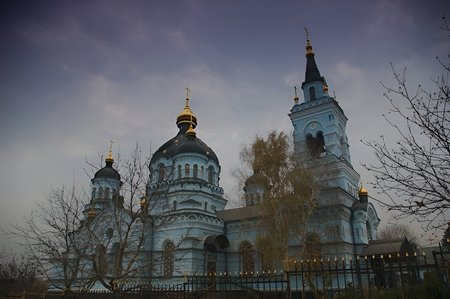
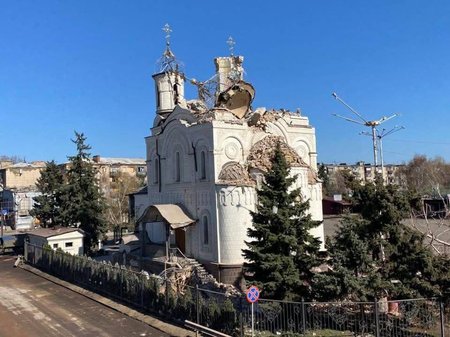
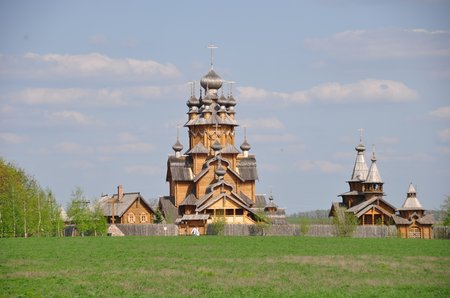
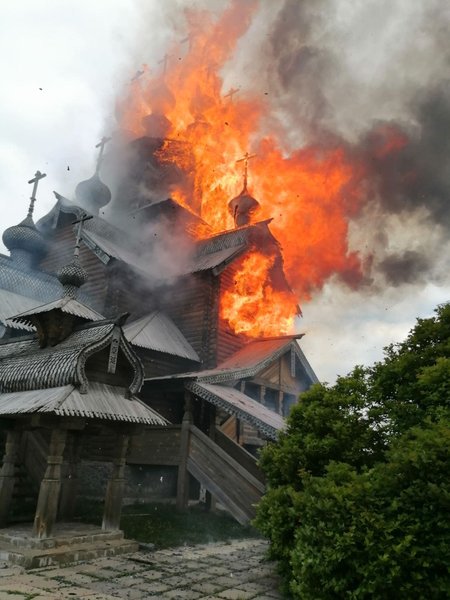
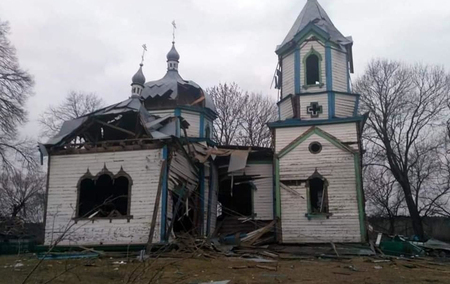
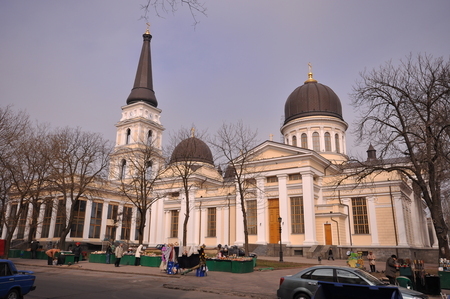
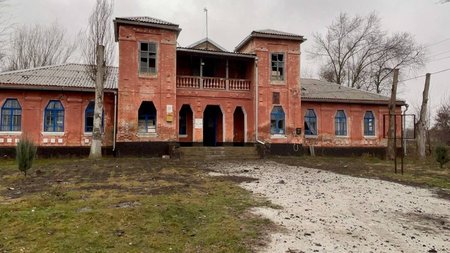
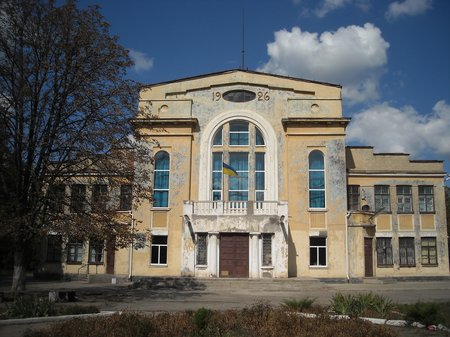
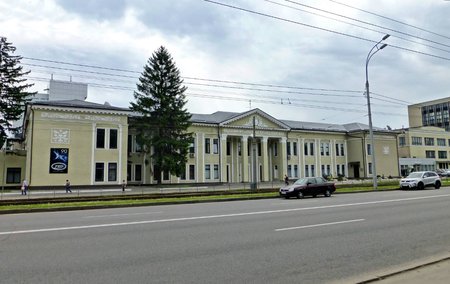
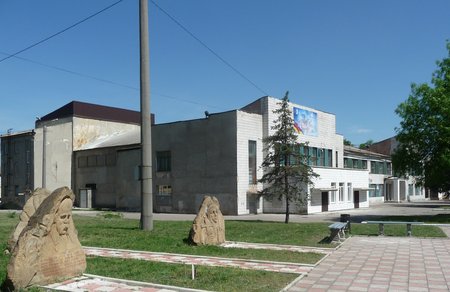
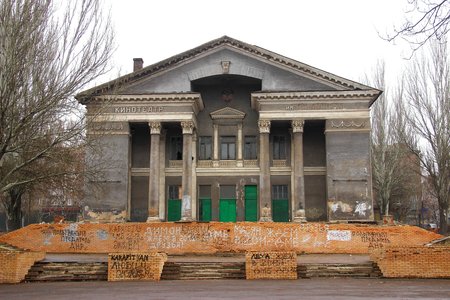
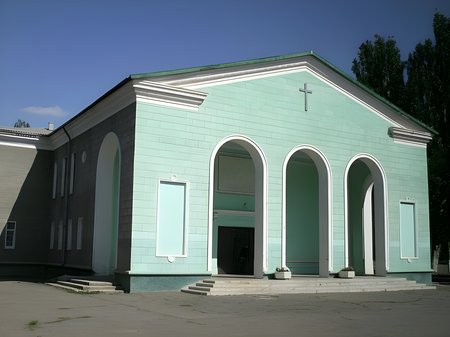
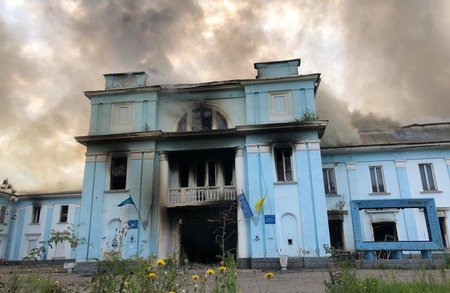
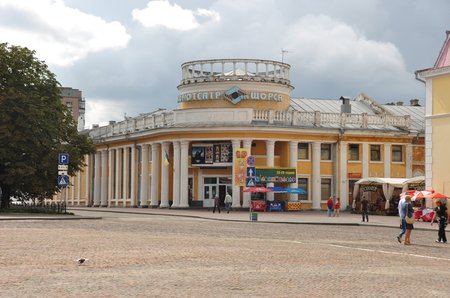
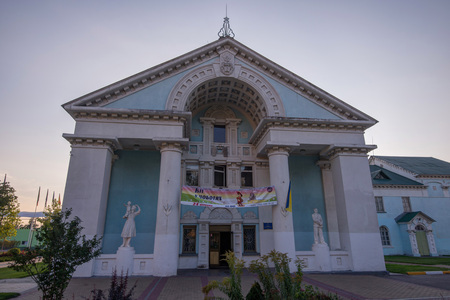
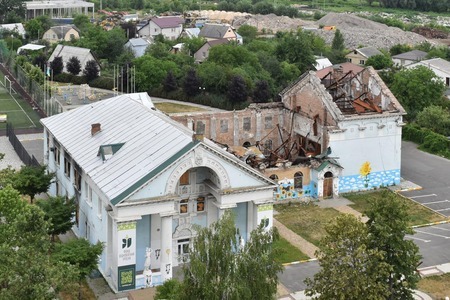
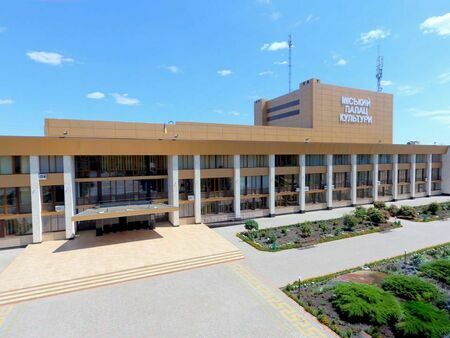
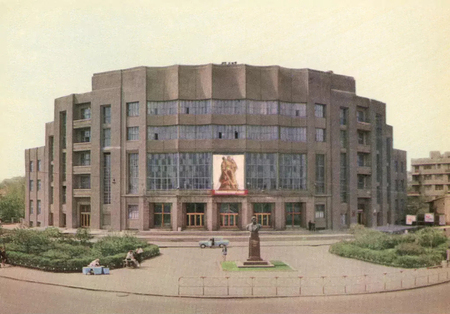
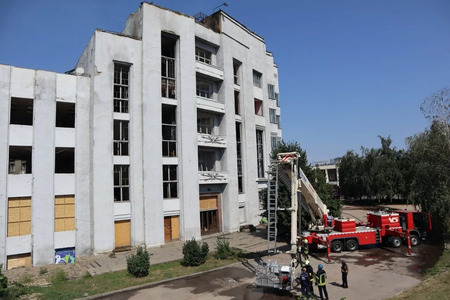
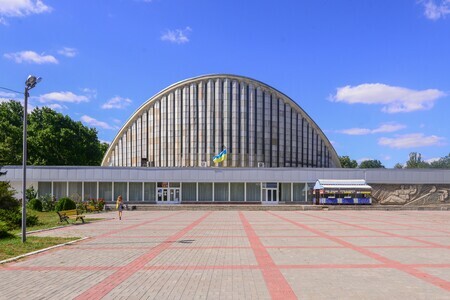
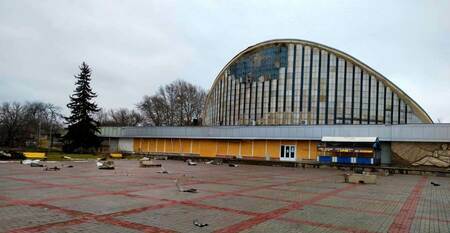
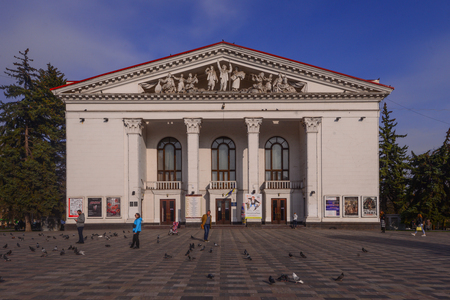
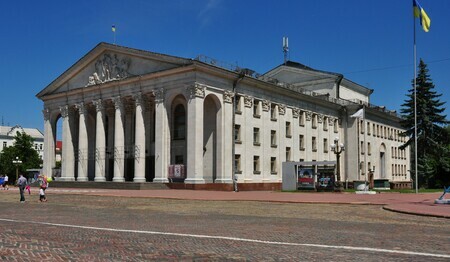
The types of affected buildings are diverse: from 19th-century landmarks to Soviet modernist buildings and contemporary public architecture. The consideration of such a typological range highlights that cultural value is not limited to formally protected monuments. Standardised schools, provincial museums, libraries, cinemas, and clubs often held significant archival, educational, and social resources, which were unique and irrecoverable.
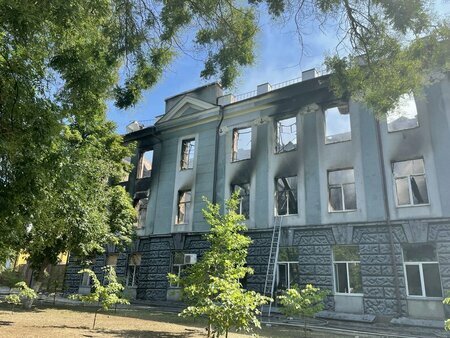
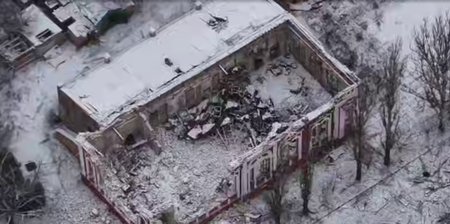
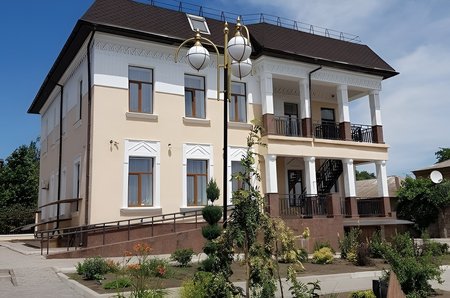
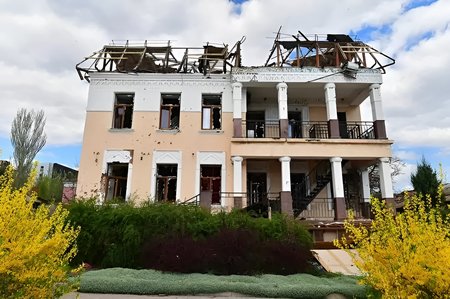
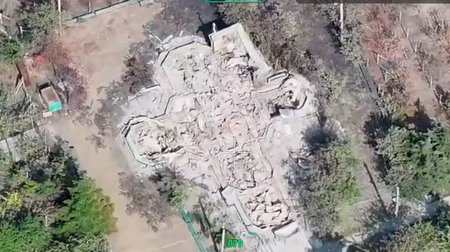
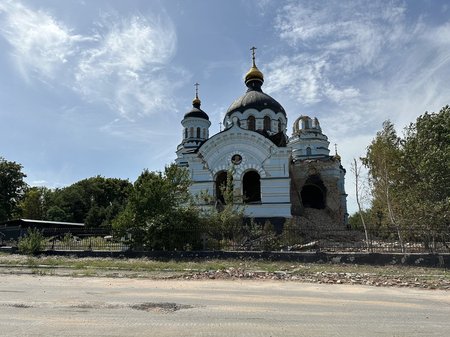
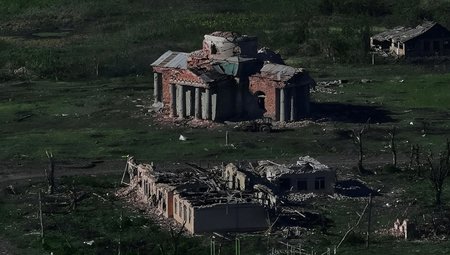
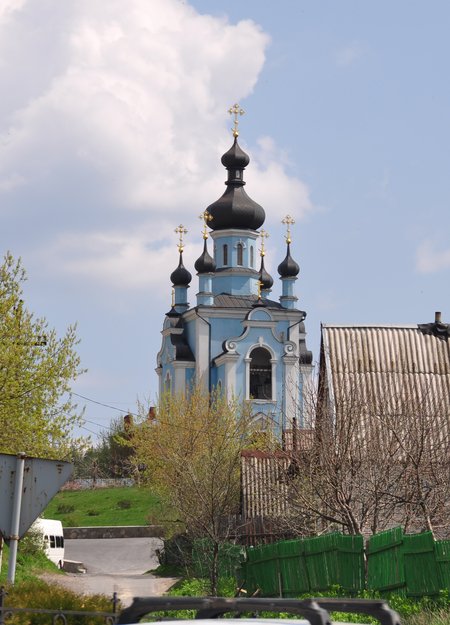
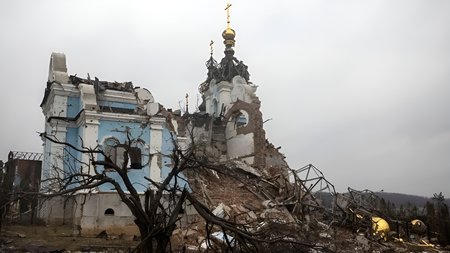
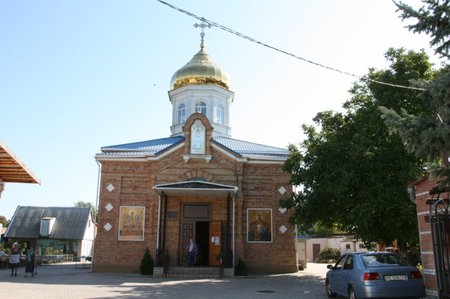
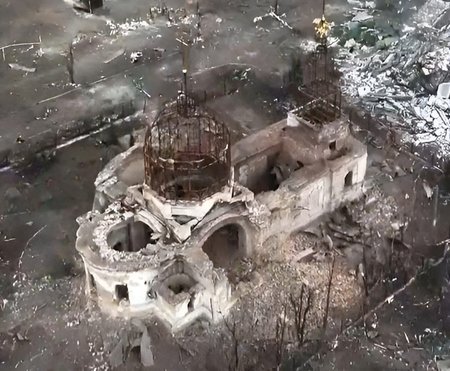
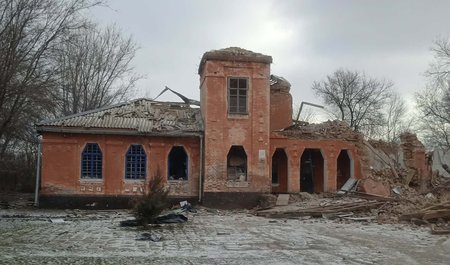
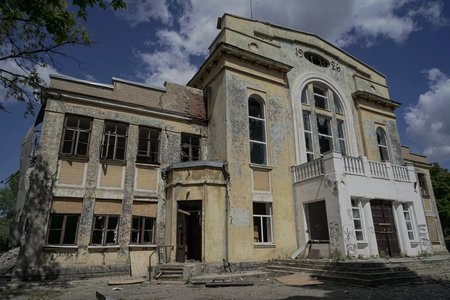
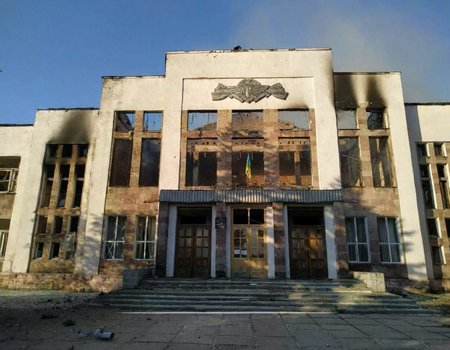
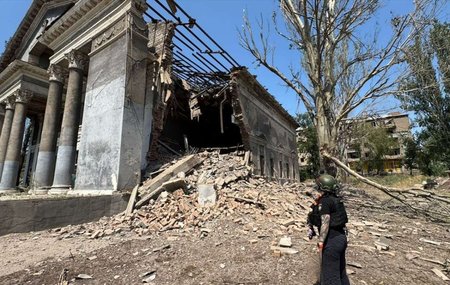
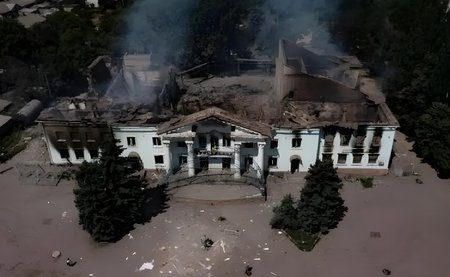
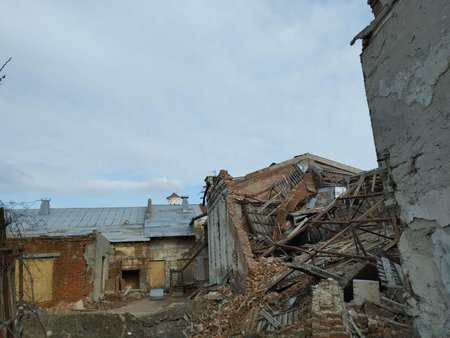
The fate of damaged buildings varies. Some have been restored or partially reconstructed, while many remain in ruins or have been demolished after being deemed beyond repair. In numerous cases, the future of these sites remains uncertain, particularly where heritage status had not been formally established before the war.
The destruction of Ukraine's cultural institutions reveals the vulnerability of everyday cultural infrastructure under the conditions of modern warfare. These buildings formed interconnected systems supporting education, memory, and communal identity. Their loss therefore disrupts not only the physical space but also long-term cultural continuity.
As the war continues, attention is increasingly shifting from merely documenting the destruction to considering future reconstruction. However, restoring damaged institutions presents a number of challenges. Some sites remain inaccessible because of Russian occupation, mines, or unexploded ordnance. Others lack sufficient documentation for accurate restoration. The scale of the losses raises difficult questions about resources and priorities, while demographic changes may affect future demand for cultural and educational infrastructure in depopulated settlements.
The damage inflicted on Ukraine's cultural and educational institutions therefore represents not only a record of wartime destruction but also a complex reconstruction challenge. The future of these buildings will depend on decisions regarding preservation, restoration, replacement, and adaptation, as well as on broader social, economic, and demographic processes that will affect the recovery process.